July 21, 2026
Hauling operations often determine how smoothly a construction or site development project moves from one phase to the next. Delays in material transport can quickly cascade into missed deadlines, increased labor costs, and reduced productivity across the entire job site. This is why many contractors and project managers rely on flexible equipment solutions to stay on track. One of the most practical options is dump truck rental, which provides access to heavy-duty hauling equipment without the long-term costs of ownership. It allows teams to scale operations based on project size, timeline, and material demands.
A major advantage of this approach is operational flexibility. Instead of committing capital to a permanent fleet, businesses can access the right truck for each phase of a job. This reduces idle equipment costs while improving responsiveness to changing project conditions. It also ensures access to modern equipment that meets current safety and performance standards. Across many industries, truck rentals have become a practical tool for improving efficiency while maintaining budget control. Project managers also gain better visibility over hauling schedules, which helps reduce bottlenecks during peak activity periods. Coordination between teams becomes more structured, especially when multiple delivery points are involved. This added control contributes to smoother execution across complex job sites.
Understanding Dump Truck Renting
Dump truck rental serves as a short-term equipment solution designed for transporting loose materials such as soil, gravel, demolition debris, and aggregates. It gives contractors access to specialized hauling vehicles without requiring ownership, maintenance responsibilities, or long-term storage. This flexibility is especially valuable for temporary or fluctuating workloads where equipment needs may change quickly. In many cases, rental solutions help streamline logistics by reducing the need for multiple transport assets. It also supports faster mobilization at the beginning of projects where time efficiency is critical.
The core benefit lies in operational simplicity. Instead of managing repairs, inspections, and depreciation, users focus strictly on project execution. This makes scheduling more predictable and reduces downtime caused by equipment issues. For many teams, these rentals become a strategic advantage during high-volume hauling phases where efficiency is critical.
Selecting Dump Truck Services
Choosing the right rental solution involves evaluating fleet variety, availability, and operational support. A strong provider offers multiple truck configurations suited for different terrain conditions and load capacities. This ensures that each project receives equipment aligned with its specific hauling requirements. In many cases, truck rental providers also offer flexible rental terms that adjust to short or extended timelines.
Service reliability is equally important. Responsive customer support and well-maintained vehicles reduce the risk of delays on active job sites. When teams secure the right truck rental service, they gain both equipment access and operational confidence. This combination supports smoother workflows and reduces unnecessary project interruptions.
Improving Hauling Efficiency
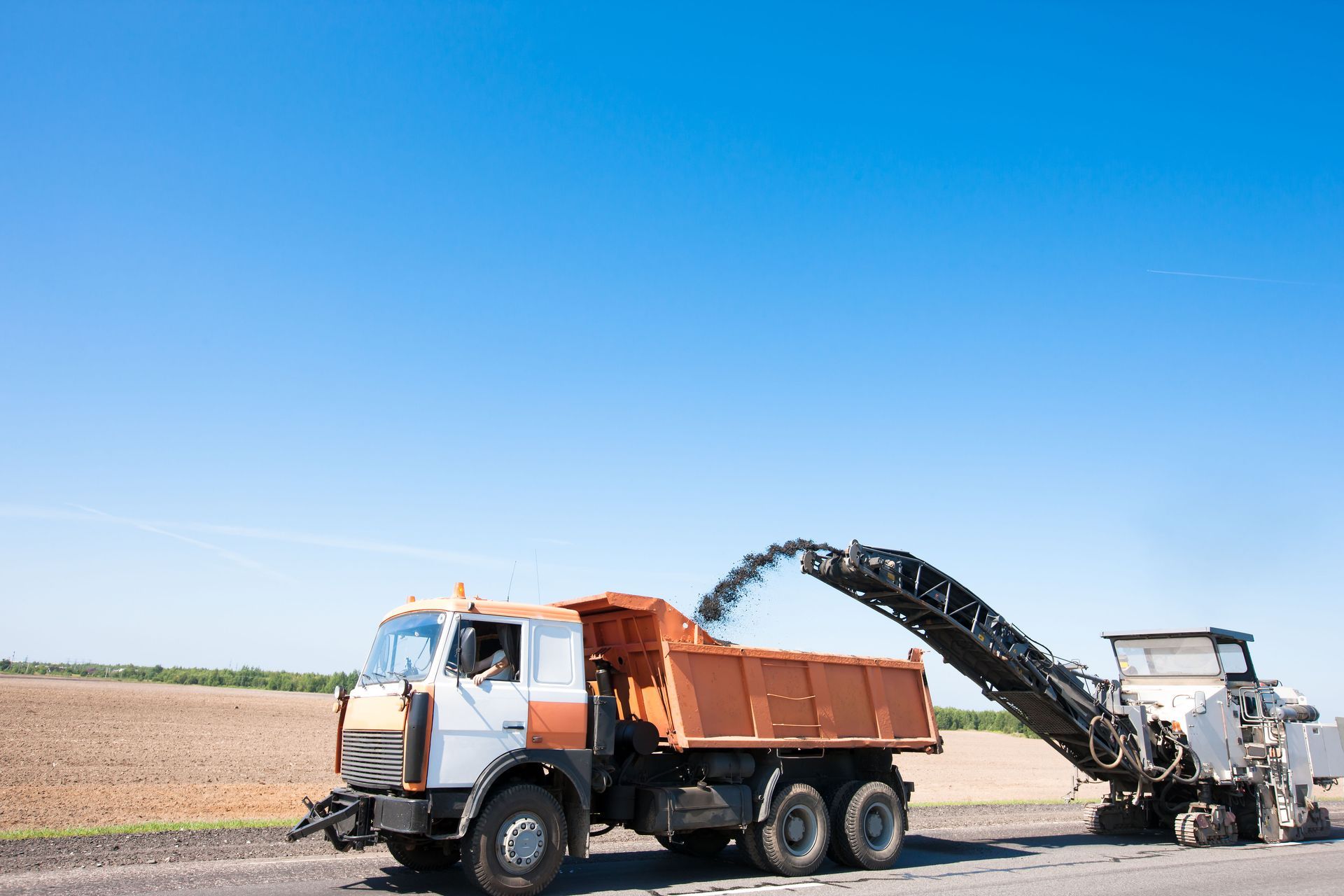
Efficiency gains are one of the most noticeable benefits of modern hauling solutions. Dump trucks are designed with hydraulic lifting systems that significantly reduce loading and unloading time. This allows crews to move materials faster while minimizing manual labor requirements. When integrated into project planning, dump truck rental helps streamline transport cycles and improve job site productivity. It also allows supervisors to allocate labor more effectively across other critical tasks.
Route optimization also plays a major role in efficiency. Many rental fleets now include GPS-enabled systems that improve navigation and reduce unnecessary travel time. According to TheNDTA.org, roughly 78% of rental fleets now operate GPS-tracked dump trucks, improving coordination between dispatch teams and job sites while increasing delivery accuracy for customers. This level of tracking allows project managers to adjust schedules in real time and respond quickly to delays. As a result, dump truck rental becomes a tool not just for transportation, but for full logistical control.
Enhancing Safety and Reliability
Safety is a critical factor in any hauling operation, especially on active construction sites. Modern dump trucks are equipped with advanced braking systems, visibility enhancements, and stability controls that reduce operational risk. These features help protect both operators and surrounding workers during loading and transport activities. Choosing dump truck rental ensures access to equipment that meets current safety standards without requiring constant upgrades.
Reliability is equally important for maintaining project timelines. Rental providers typically perform routine inspections and maintenance before deployment, reducing the likelihood of mechanical failure. This ensures that each rental unit arrives ready for immediate use. Combined with trained operators and structured safety protocols, this creates a more controlled and predictable working environment. It also reduces unexpected downtime that can disrupt tightly scheduled projects.
Reducing Costs and Budgeting
Cost control is one of the strongest reasons businesses choose dump truck rentals instead of ownership. Purchasing heavy-duty trucks requires significant upfront investment, along with ongoing maintenance, insurance, and storage expenses. Rental solutions remove these long-term financial burdens and replace them with predictable short-term costs. This allows teams to allocate resources more effectively across different phases of a project.
Budget flexibility is another advantage. Whether a project lasts a few days or several months, rental agreements can be adjusted accordingly. This prevents overspending on unused equipment and improves cash flow management. For many contractors, truck rentals becomes a financial strategy that supports scalability without compromising performance.
Managing Environmental Impact
Environmental considerations are becoming increasingly important in modern hauling operations. Newer dump trucks are designed to reduce fuel consumption and lower emissions, supporting more sustainable project execution. Rental fleets often include updated models that comply with environmental regulations, giving users access to cleaner technology without requiring capital investment. This makes truck rentals a practical option for companies focused on sustainability goals.
Technology also supports environmental efficiency. GPS routing reduces unnecessary mileage, which directly lowers fuel usage and emissions. Predictive maintenance systems help keep engines operating efficiently, reducing waste caused by mechanical inefficiencies. These improvements demonstrate how dump truck rental supports both operational performance and environmental responsibility.
Evaluating Rental Providers
Selecting a reliable provider requires careful comparison of fleet quality, service consistency, and contract flexibility. A well-established provider offers transparent rental terms and a diverse range of equipment options. This ensures that each rental agreement aligns with specific project requirements rather than forcing a one-size-fits-all approach. Evaluating these factors helps reduce risk and improve operational outcomes.
Customer support is another key consideration. Providers that offer responsive assistance and clear communication help resolve issues quickly, reducing downtime on active job sites. Strong partnerships with rental companies also lead to better long-term efficiency and smoother project coordination. In competitive industries, the right provider can significantly influence overall project success.
Hauling efficiency depends on more than just equipment; it requires flexibility, reliability, and cost-effective planning. Dump truck rental provides all three by offering access to modern vehicles without the long-term responsibilities of ownership. It allows teams to adapt quickly, manage budgets more effectively, and maintain consistent productivity across different project demands.
As construction and logistics continue to evolve, rental solutions remain a practical choice for improving operational performance across a wide range of project types and timelines. Businesses increasingly rely on flexible equipment access to adapt to shifting demands, tighter deadlines, and more complex job site coordination requirements. From safety and sustainability to efficiency and cost control, the benefits are widely applicable across industries, supporting both small-scale projects and large commercial operations. These advantages also help teams reduce operational friction while maintaining consistent productivity throughout each phase of work. For streamlined hauling solutions tailored to project needs, R.P Blair Trucking provides dependable support from start to finish.