July 29, 2026
When you look at a construction site or a major logistics hub, the heavy-duty fleet working behind the scenes forms the backbone of the entire operation. For decades, traditional haulers relied almost entirely on brute force and mechanical endurance. Today, however, the heavy hauling industry is undergoing a massive digital and mechanical revolution. Advanced telemetry, upgraded hydraulic safety systems, and refined powertrain engineering are reshaping how heavy materials move from point A to point B. Understanding these technological innovations helps project managers, site managers, and contractors maximize efficiency on every job.
By embracing state-of-the-art diagnostics and integrated software, modern transport fleets significantly lower daily operational costs while speeding up project delivery schedules. Adopting these high-tech advancements ultimately protects valuable job-site labor, boosts overall payload profitability, and gives forward-thinking commercial contractors a decisive competitive advantage in today’s demanding heavy construction marketplace.
Upgrading Heavy Powertrains for High Efficiency
Modern engine technology has completely transformed how heavy haulers operate under demanding loads. Modern dump truck designs now feature advanced diesel and hybrid powertrains that significantly lower fuel consumption while maximizing torque output. Variable geometry turbochargers, refined direct-injection systems, and intelligent engine control units automatically optimize fuel delivery based on real-time payload weight and terrain incline. By minimizing fuel waste during long idling periods and heavy uphill hauls, these powertrain improvements help keep operational overhead low and carbon emissions under control on busy commercial job sites.
Alongside engine enhancements, modern transmission systems have evolved to deliver smoother power transfer. Automated manual transmissions eliminate driver fatigue by selecting the optimal gear ratio for any haul condition automatically. These intelligent shifting systems protect the drivetrain from premature wear and tear, reducing costly downtime for repairs. Furthermore, alternative fuel options and heavy-duty hybrid setups are entering the fleet space, offering cleaner operations without sacrificing the raw towing power required to transport tons of aggregate, soil, or demolition debris across complex job sites.
Integrating Smart Telematics for Total Fleet Visibility
The integration of advanced telematics has revolutionized how dispatchers and fleet managers track equipment performance in real time. Today, a connected dump truck constantly transmits vital vehicle diagnostics, location data, and fuel metrics directly to a centralized management system. On-board GPS tracking allows logistics teams to monitor transport routes, predict arrival times with pinpoint accuracy, and reroute vehicles instantly around traffic bottlenecks. This level of transparency ensures that material deliveries remain strictly on schedule, preventing costly labor delays for on-site crews waiting for critical supplies.
Beyond navigation, telematics platforms play a crucial role in predictive maintenance strategies. Continuous sensors monitor engine temperatures, hydraulic fluid pressures, and brake wear, alerting mechanics to potential issues long before a mechanical breakdown occurs. By shifting from reactive repairs to data-driven preventive maintenance, commercial operators can extend the lifespan of their vehicles and maintain peak fleet availability. Remote diagnostics also allow technicians to troubleshoot electronic error codes instantly, ensuring that every vehicle returns to active service as quickly and safely as possible.
Enhancing Job-Site Safety With Automated Systems
Safety innovations have reached unprecedented levels in modern heavy transport, protecting both equipment operators and on-site workers. A modern dump truck is often equipped with comprehensive collision-avoidance technology, including radar sensors, blind-spot monitoring, and automatic emergency braking systems. Because heavy haulers operate in tight, congested work zones with high foot traffic, these electronic safeguards act as a vital second set of eyes for the driver, preventing low-speed collisions and protecting surrounding infrastructure during complex backing maneuvers.
In addition to collision prevention, advanced stability controls have greatly reduced the risk of tip-overs during unloading. Dynamic stability systems use tilt sensors and load cells to calculate the vehicle's center of gravity before the bed begins to rise. If the system detects uneven ground or an unstable load distribution, it alerts the operator or automatically pauses the hydraulic lift mechanism. Paired with 360-degree camera arrays and digital rearview displays, these integrated safety solutions turn high-risk dumping operations into controlled, routine procedures on any terrain.
Refining Material Handling With Precision Hydraulics
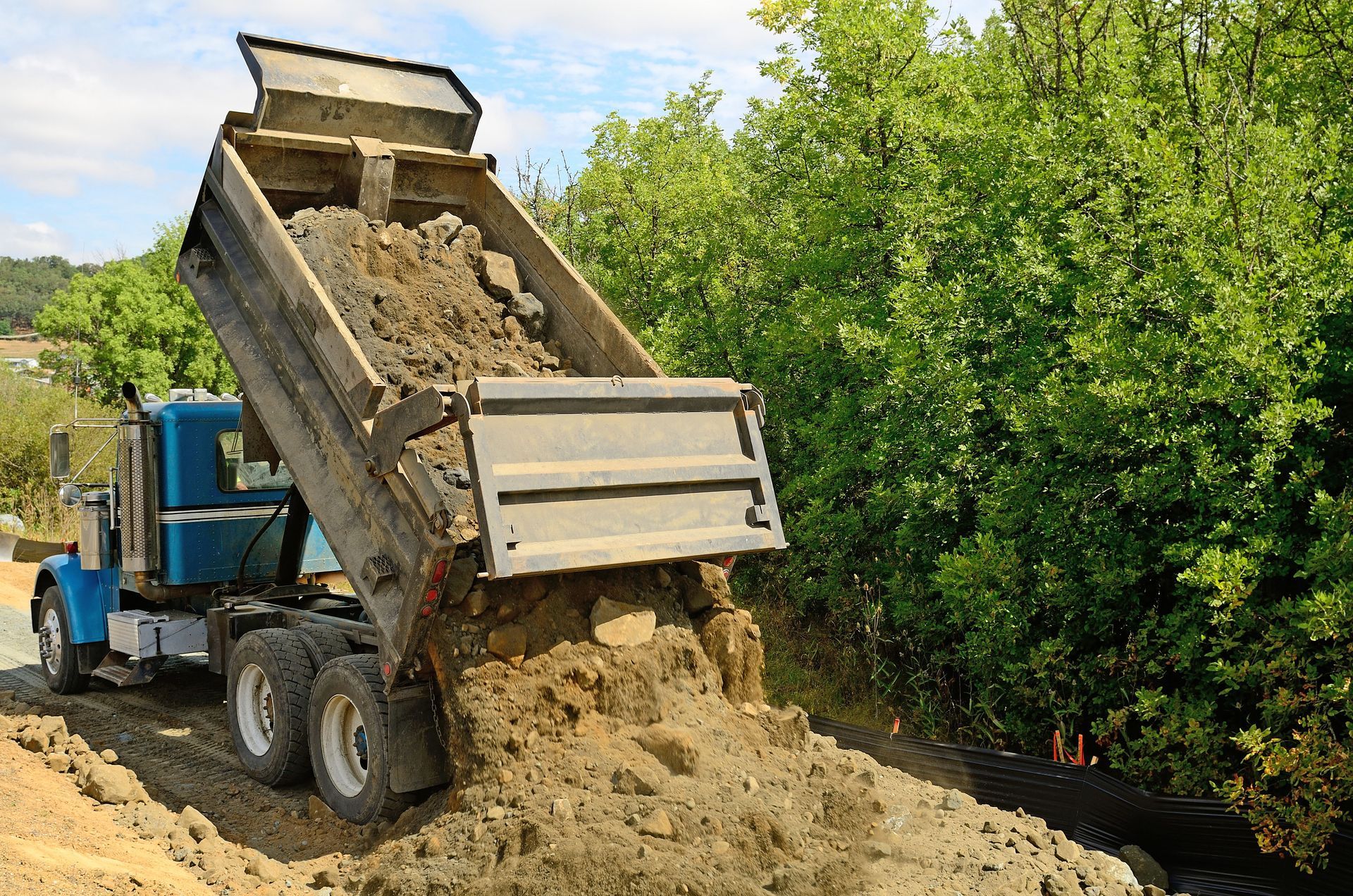
The mechanics of loading and unloading aggregate have seen dramatic improvements through precision hydraulics and smart bed designs. Modern dump truck beds are engineered using high-tensile, lightweight alloy steels that reduce overall vehicle curb weight while increasing payload capacity. Advanced hydraulic lift pumps now offer variable lifting speeds and smooth lowering controls, allowing operators to deposit materials with extreme precision rather than dumping entire loads in an uncontrolled heap. This level of control is essential when spreading gravel evenly across road beds or precision-filling trenches.
Digital payload monitoring systems built directly into the suspension provide real-time weight feedback to the driver and loader operators. Integrated cab displays show the exact weight of the material in the bed, preventing accidental overfills that lead to highway weight fines, tire strain, and frame damage. Conversely, real-time weighing prevents underfilling, ensuring that every trip operates at maximum legal efficiency. Automatic tarping systems and heated bed liners further streamline operations, preventing materials from freezing or sticking to the bed during severe weather conditions.
Elevating Driver Comfort Through Ergonomic Cab Engineering
Technological advancement extends inside the cab, where human ergonomics directly impact productivity and job safety. The cab of a modern dump truck resembles a high-tech command center designed to minimize physical strain during long operating shifts. Air-suspended, climate-controlled seating isolates drivers from harsh road vibrations, reducing back fatigue over rough construction terrain. Intuitive touchscreen displays, ergonomic joystick controls for hydraulic bed lifts, and multi-function steering wheels allow operators to manage all vehicle functions without taking their focus off the road ahead.
Improved sound insulation and advanced climate systems create a quiet, comfortable cabin environment that reduces mental fatigue and enhances operator alertness. Integrated Bluetooth communication and hands-free controls allow drivers to stay in constant touch with site foremen and dispatchers without taking their hands off the wheel. Furthermore, active lane-keeping assistance and driver fatigue monitoring systems track driver eye movements and steering patterns, issuing audio and visual warnings if signs of tiredness are detected. Prioritizing driver comfort ultimately results in safer driving habits and higher job-site productivity.
Adapting Heavy Hauling for Future Construction Needs
As construction standards, environmental regulations, and project timelines become tighter, high-tech transport solutions are no longer a luxury. They're an absolute necessity. Fleet owners who invest in state-of-the-art vehicles benefit from lower operational costs, improved safety records, and faster project turnaround times. According to TheNDTA.org, with the worldwide dump truck market expected to expand at a compound annual growth rate of 7.2% through 2030, it's clear that global demand for advanced, fuel-efficient haulers is set to rise significantly.
Looking ahead, autonomous haulage, fully electric heavy drivetrains, and artificial intelligence route optimization will continue to push the boundaries of what heavy transport fleets can accomplish. Contractors who leverage these modern technological capabilities enjoy a clear competitive edge, executing demanding earthmoving and material delivery contracts with unmatched precision. Partnering with a forward-thinking logistics provider ensures that your job site gains access to reliable machinery, skilled operators, and cutting-edge equipment designed to keep your project moving forward without delay.
If you're ready to streamline your next major commercial construction or landscaping project with top-tier hauling solutions, modern fleet reliability, and next-day availability, connect with our experienced regional team directly to keep your job moving, then call or text R.P Blair Trucking today to request your fast, comprehensive, free service estimate!